Three Wives’ Tales

by Dale Erquiaga

“To the wives!” This beautifully written novel opens with a recounting of a story involving this simple wedding toast, a signal to the reader that what follows is a tribute to the strength of women, the power of familial bonds, and the tenacity of the human spirit. Part fiction, part memoir, and part historical account, this Basque author tells the compelling and memorable story of three pivotal matriarchal figures in his family. Told through a series of vivid vignettes spanning countries, decades, and generations, the experiences of the these women are brought to life, evoking the hopes, challenges, successes, heartbreak, and emotions of the immigrant experience. Three Wives’ Tales is a worthwhile, heartfelt novel that honors and celebrates the importance of family and the courage and determination of the human will.

*This book will soon be available in the BEO’s library. Check it out HERE. If you’re not finding it, CLICK HERE to SEND US AN EMAIL and let us know you’re interested in borrowing this book.
“Witches” and Wily Women

The Basque language (Euskara) is unrelated to any other language spoken today. In Euskara, the use of pronouns plays a powerful, crucial role as it relates to gender, societal, and cultural identity. 

This book offers a fascinating and insightful exploration of Euskara, as it relates to culture and gender. Begona Echeverria provides an in-depth look at the historical use and evolving marginalization of “noka” (a familiar form of address historically used in speaking to a girl or woman in whom one had konfiantza or trust) in Euskara, and its impact on Basque society and gender as seen through historical, religious, cultural, and folkloric lenses. 

Side note: Echeverria is a member of “NOKA”, a Basque-American singing trio, who promote women through songs using “noka”.

Up close and Personal: A chat with Begona Echeverria, singer-songwriter of “Bonbarazi Du Gernika”

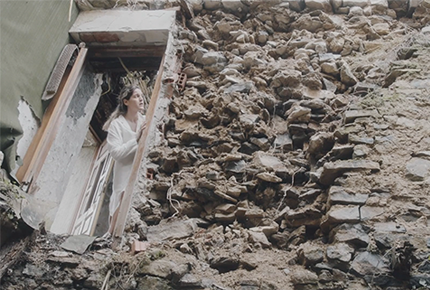
Begoña Echeverria, author (The Hammer of Witches), playwright (“Picasso Presents Gernika”), and singer-songwriter, has released a song and music video named “Bonbarazi Du Gernika” in honor of the 85th anniversary of the bombing of Gernika on this day, April 26th.

Why we love this

The song is poignant and important, and the video is beautiful. Not only that, but her perspective below has given us an even deeper, richer appreciation for this performance. You’re not fluent in Basque? No problem –  Begoña provides English translation towards the end of the video.

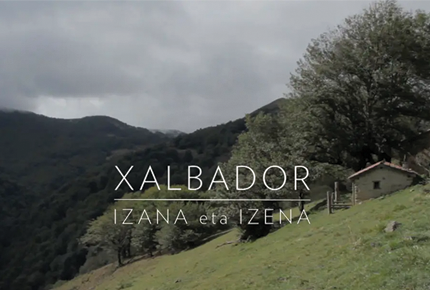
XALBADOR: IZANA ETA IZENA

The legendary bertsolari, Xalbador, is an inspiration to current bertsolaris and the subject of the film “Xalbador, Izana eta Izena.” This film is an intimate portrayal of his life story through his children, friends and his bertsos. Click here to watch the trailer, and/or request the film in its entirety, with English subtitles, from our library. 

A side note: This past March the BEO was a proud sponsor of the North American Basque Organization’s Bertsolari Special Tribute, where U.S.-based bertsolaris were honored for their lifetime of service to the Basque community.

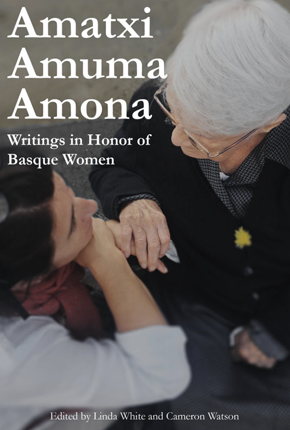
Amatxi Amuma Amona: Writings in Honor of Basque Women

In honor of Women’s history month, this book was chosen to commemorate and reflect on the often overlooked contributions of women. It’s a collection of stories, biographies and academic articles celebrating the resiliency of Basque women throughout time and all over the globe. The collection begins with a two quaint fictional stories, leads into the chronicles of the amazing lives of several famous (and not so famous) Basque women, and wraps up with academia articles ranging in content, but focused on Basque women.

This book is available at the Center for Basque Studies Bookstore.

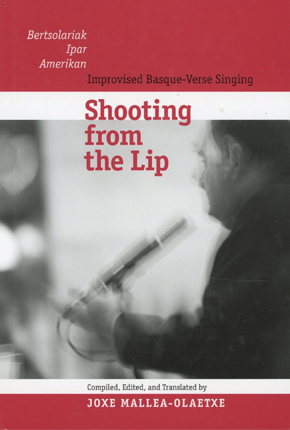
SHOOTING FROM THE LIP

Bertsolaritza is the art of singing extemporaneously composed songs in improvised stanzas (Bertsoak) in Basque by improvisers known as Bertsolaris. Shooting from the Lip, by Jose Mallea-Olaetxa, is the first bilingual Bersto book printed in America that is dedicated to Basque-American verse singing. Olaetxa beautifully weaves together the history of Berstogintza (the craft), the various bertsolaris, and their impact on the Basque-American identity. 

A fun fact: In June 2003, the National Endowment for the Arts (NEA) acknowledged four Basque Bertsolaris in the United States for NEA’s National Heritage Fellowships.

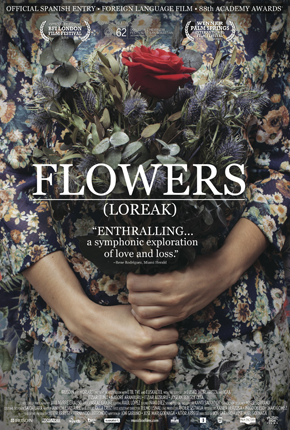
Flower (Loreak)

This multiple-award winning film is a beautiful story that begins with Ane, a married woman in her early forties, who begins receiving a bouquet of flowers every single week from an anonymous admirer; however, when this individual comes to light, the flowers come to symbolize every human connection through the intertwining of unexpected relationships. The film is in Basque with English subtitles and available for rent on Amazon Prime. Click here for the movie’s direct website.

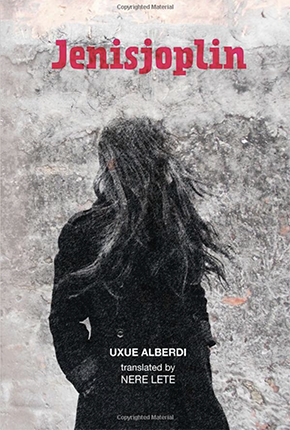
Jenisjoplin

A coming-of-age story of Nagore Vargas, a child of Spanish left-wing immigrants to the Basque Country, during the eighties and nineties. She had no filter, and grew up quickly. This book is a fast-paced novel, switching back and forth from present day to her past. It is a journey of Nagore’s life, but also of the Basque Country’s evolution through the last three decades. An interesting read and an eye-opener to a Basque Country foreign to other’s experiences.

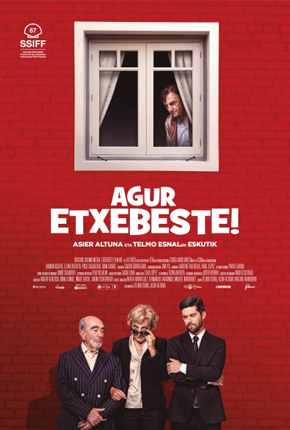
Agur Etxebeste!

The first feature film made in the Basque language in over a decade, Agur Etxebeste! is a comedy about keeping up appearances. The Etxebeste family is well respected in their small Basque town, and are proprietors of a beret factory. But on the eve of their summer holiday to Marbella, they discover that they’re broke. The neighbors mustn’t find out and so they devise a plan which finds them hiding in their flat for the duration.